Your immune system is your body’s first and most powerful line of defense against viruses, bacteria, infections, and even chronic disease. But here’s what most people don’t realize: your immune system doesn’t just happen to you. You actively build it or break it down through the choices you make every single day.
The most powerful of those choices? What you eat.
Science is increasingly clear that certain foods contain compounds vitamins, minerals, antioxidants, and phytonutrients that directly strengthen immune function. No pharmacy required. In this guide, we’ll walk you through the best foods to naturally supercharge your immune system, backed by research.
And if you’re working on building a stronger, healthier body overall, you’ll also want to read our guide on how to improve athletic performance naturally because physical fitness and immune health are deeply connected. For personalized wellness support, explore the services available at Polishit.
Why Food Is the Foundation of Immunity
Before we get into the list, it’s important to understand why food matters so much for immunity.
Your immune cells white blood cells, T-cells, and antibodies are made from nutrients. Without the right building blocks, your immune system quite literally cannot function properly. Deficiencies in key nutrients like vitamin C, vitamin D, zinc, and iron are directly linked to increased susceptibility to infections and slower recovery times.
The good news: you don’t need supplements for most of these. Your plate can provide everything.
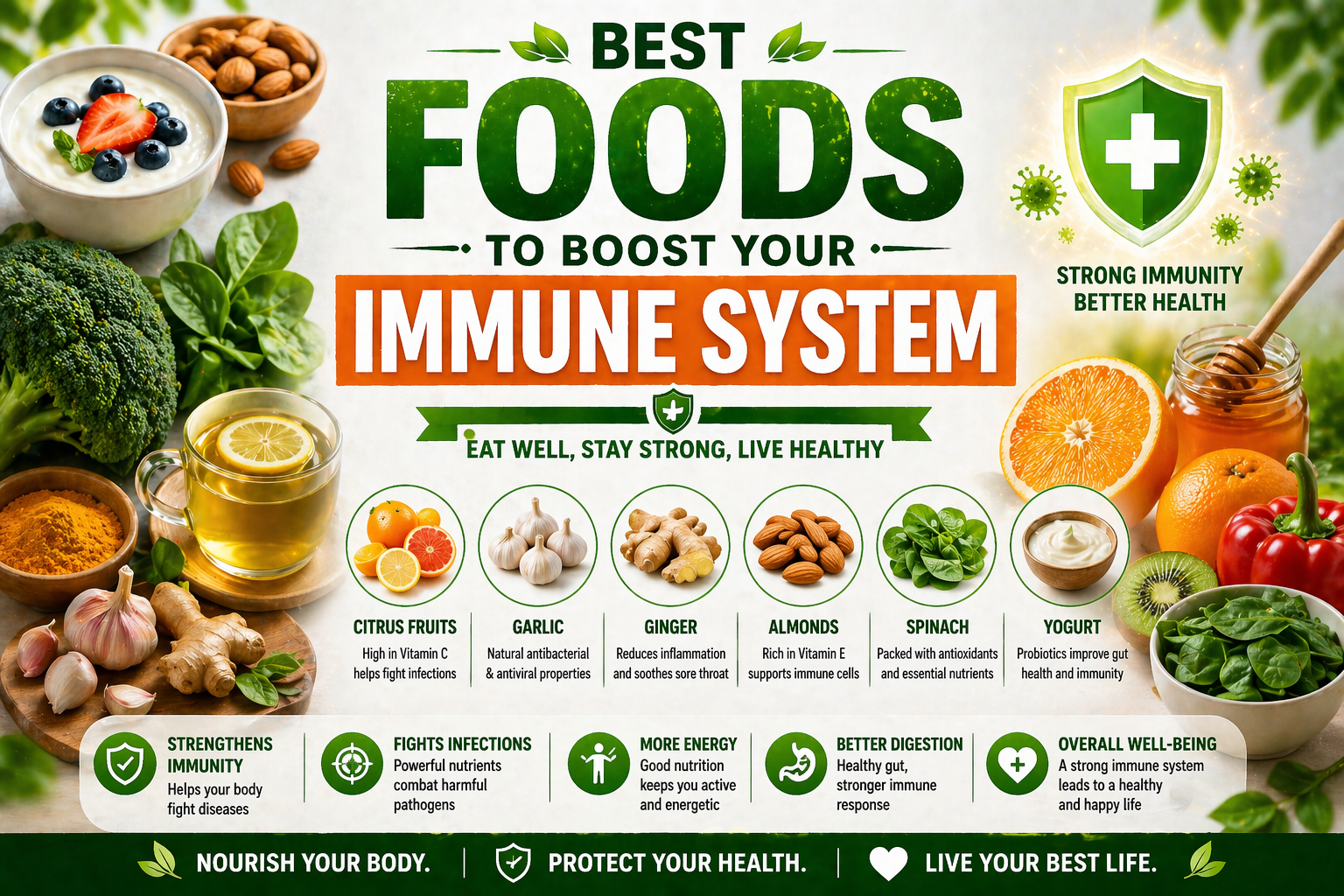
1. Citrus Fruits The Classic Immune Booster
Oranges, lemons, limes, grapefruits, and clementines are loaded with vitamin C, one of the most well-studied immune-supporting nutrients on the planet.
Vitamin C stimulates the production of white blood cells, which are your body’s primary defenders against infection. It also acts as a powerful antioxidant, neutralizing free radicals that cause cellular damage.
Best sources:
- Orange (70mg Vitamin C per fruit)
- Kiwi (93mg per fruit actually higher than orange!)
- Lemon juice, grapefruit, bell peppers
💡 Did You Know? Red bell peppers contain nearly 3x more vitamin C than oranges and most people never think of them as an immune food.
2. Garlic: Nature’s Antibiotic
Garlic has been used medicinally for thousands of years and modern science confirms what our grandmothers already knew. Garlic contains allicin, a sulfur compound released when garlic is crushed or chopped, which has proven antimicrobial and immune-modulating properties.
Studies show that people who consume garlic regularly have fewer colds, shorter illness duration, and stronger natural killer cell activity.
How to use it: Add raw or lightly cooked garlic to soups, stir-fries, dressings, and roasted vegetables. Raw garlic retains the most allicin.
3. Ginger: Anti-Inflammatory Powerhouse
Ginger is one of the most potent natural anti-inflammatory foods available. Chronic inflammation suppresses immune function so anything that reduces it helps your defenses operate more efficiently.
The active compound gingerol has been shown to inhibit inflammatory pathways, reduce nausea, soothe sore throats, and fight respiratory infections.
Best ways to consume:
- Fresh ginger tea with lemon and honey
- Added to smoothies, soups, or curries
- Ginger shots (popular in cold and flu season)
4. Turmeric: The Golden Immune Shield
Turmeric contains curcumin, one of the most studied anti-inflammatory and antioxidant compounds in the world. Curcumin has been shown to enhance the activity of immune cells, reduce oxidative stress, and even help the body fight off pathogens.
One important note: curcumin is poorly absorbed on its own. Always combine turmeric with black pepper (which contains piperine and increases curcumin absorption by up to 2,000%) and a healthy fat.
Easy uses:
- Golden milk (turmeric + warm milk + black pepper + honey)
- Added to rice, curries, scrambled eggs, or soups
5. Leafy Greens: The Nutrient-Dense Immune Army
Spinach, kale, Swiss chard, and broccoli are nutritional powerhouses. They provide:
- Vitamin C immune cell production
- Vitamin E antioxidant protection
- Beta-caroteneconverted to vitamin A, which maintains the integrity of mucosal barriers (your first physical line of defense)
- Folate essential for cell replication and DNA repair
Broccoli in particular is one of the most nutrient-dense foods available packed with vitamins A, C, and E, as well as fiber and antioxidants.
💡 Tip: Lightly steam broccoli rather than boiling it. Boiling destroys up to 50% of its vitamin C content. Light steaming preserves nutrients while improving digestibility.
6. Yogurt & Fermented Foods The Gut-Immune Connection
Here’s a fact that surprises many people: 70% of your immune system lives in your gut. The bacteria in your digestive tract your microbiome directly communicate with and regulate your immune cells.
Fermented foods that contain live and active cultures (probiotics) directly feed and diversify your gut microbiome, strengthening immune signaling.
Best immune-boosting fermented foods:
- Yogurt (look for “live and active cultures” on the label)
- Kefir even more probiotic-rich than yogurt
- Kimchi a Korean fermented vegetable with immune-boosting compounds
- Sauerkraut fermented cabbage, rich in Vitamin C and probiotics
- Kombucha fermented tea with beneficial bacteria and antioxidants
7. Almonds & Sunflower Seeds Vitamin E for Immune Strength
While vitamin C gets most of the attention, vitamin E is equally critical for immune health especially for T-cell function, which is your body’s targeted immune response system.
Almonds are an excellent source: just a small handful (about 46 whole almonds) provides nearly 100% of your recommended daily vitamin E. Sunflower seeds are equally powerful, also containing zinc and selenium two more immune-critical minerals.
8. Green Tea Antioxidant Rich Immune Support
Green tea contains EGCG (epigallocatechin gallate), a powerful antioxidant that has been shown to enhance immune function, fight bacterial and viral infections, and reduce inflammation.
It also contains L-theanine, an amino acid that supports the production of germ-fighting compounds in T-cells.
Drink 2–3 cups daily for consistent immune support. Avoid adding excessive sugar it can counteract the benefits.
9. Shellfish Zinc for Rapid Immune Response
Zinc is absolutely essential for immune cell development and inflammatory response. A zinc deficiency is one of the fastest ways to compromise your immunity.
Shellfish particularly oysters, crab, and clams are among the highest natural sources of zinc available. If you don’t eat shellfish, other good sources include:
- Pumpkin seeds
- Chickpeas and lentils
- Beef and chicken (dark meat)
- Cashews
10. Honey Ancient Remedy, Modern Science
Raw honey especially Manuka honey contains hydrogen peroxide, propolis, and antioxidants that give it powerful antibacterial and antiviral properties. It soothes inflamed mucous membranes, suppresses cough, and has been shown to inhibit the growth of harmful bacteria.
A spoonful of warm ginger-lemon tea is one of the most effective natural cold remedies and one of the most enjoyable.
💡 Important: Never give honey to children under 12 months it can contain Clostridium botulinum spores that are dangerous for infants.
Foods That Hurt Your Immune System (Avoid These)
Equally important as knowing what to eat is knowing what not to eat. These foods actively suppress immune function:
- Refined sugar even 75g suppresses white blood cell activity for up to 5 hours
- Processed and ultra-processed foods high in additives, low in nutrients
- Excessive alcohol disrupts the gut microbiome and impairs immune cell production
- Trans fats (found in fried and packaged foods) trigger chronic inflammation
Building Your Immune-Boosting Daily Plate
You don’t need to eat all of these foods every single day. Instead, aim for variety and consistency. A practical daily approach:
Meal Immune Foods to Include Breakfast: Yogurt + kiwi + almonds + green tea Lunch Spinach salad + lemon dressing + chickpeas Dinner: Garlic + turmeric + ginger in cooking + broccoli. Snacks Sunflower seeds, citrus, raw honey in tea
Conclusion: Your Fork Is Your Most Powerful Health Tool
Improving your immune system doesn’t require expensive supplements or complicated protocols. It requires consistent, smart food choices day after day, meal after meal.
Start small. Add one immune-boosting food to each meal this week. Within a few weeks, you’ll notice the difference: more energy, fewer sick days, faster recovery.
If you’re also looking to improve your physical performance alongside your immune health, don’t miss our earlier guide on how to improve athletic performance naturally the two topics are more connected than most people realize.
For more expert health and nutrition guidance, learn about Polishit and how we curate evidence-based information to help you live better. Have questions about your specific health needs? Contact our team directly we’re always happy to help.