Medical treatments are one of the most important parts of healthcare. They help people recover from illnesses, manage chronic conditions, reduce pain, and improve overall quality of life. From simple medications to advanced surgical procedures, treatments have evolved significantly over the years.
Today, healthcare professionals use a wide range of treatments to address different medical conditions. Understanding how treatments work can help individuals make informed decisions about their health and well-being.
In this detailed guide, we will explore the meaning of treatments, different types of treatments, their benefits, risks, and the future of modern healthcare.
What Are Treatments?
Treatments are medical methods or procedures used to cure, control, or prevent diseases and health conditions. Treatments can be physical, medical, psychological, or lifestyle-based.
The primary goals of treatment include:
- Relieving symptoms
- Eliminating disease
- Preventing complications
- Improving overall health
Each treatment plan is usually customized based on the patient’s condition, age, medical history, and lifestyle.
Why Treatments Are Important
Without proper treatment, many illnesses can worsen and lead to severe complications.
Benefits of Proper Treatment:
- Faster recovery
- Better quality of life
- Reduced pain and discomfort
- Prevention of future health issues
- Improved physical and mental health
Treatments help people return to normal life and maintain long-term wellness.
Types of Medical Treatments
Medical treatments come in many forms depending on the condition being treated.
1. Medication-Based Treatments
Medications are the most common type of treatment.
Examples:
- Antibiotics for infections
- Pain relievers for injuries
- Insulin for diabetes
- Antidepressants for mental health conditions
Benefits:
- Easy to use
- Effective for many conditions
- Quick symptom relief
However, medications should only be used under medical supervision.
2. Surgical Treatments
Surgery involves medical procedures used to repair, remove, or replace damaged body parts.
Common Surgical Procedures:
- Heart surgery
- Tumor removal
- Organ transplants
- Orthopedic surgery
Advantages:
- Can provide permanent solutions
- Effective for severe conditions
Modern technology has made surgeries safer and less invasive.
3. Physical Therapy and Rehabilitation
Physical therapy helps restore movement and strength after injury or illness.
Common Uses:
- Sports injuries
- Post-surgery recovery
- Chronic pain management
Benefits:
- Improves mobility
- Reduces pain naturally
- Prevents future injuries
Rehabilitation is an essential part of recovery for many patients.
4. Mental Health Treatments
Mental health treatments focus on emotional and psychological well-being.
Examples:
- Counseling and therapy
- Cognitive behavioral therapy (CBT)
- Medication for anxiety or depression
Benefits:
- Improves emotional stability
- Reduces stress and anxiety
- Enhances overall quality of life
5. Preventive Treatments
Preventive care helps stop diseases before they occur.
Examples:
- Vaccinations
- Regular health screenings
- Healthy lifestyle changes
Importance:
Preventive treatments reduce healthcare costs and improve long-term health.
6. Alternative and Complementary Treatments
These treatments are often used alongside traditional medicine.
Examples:
- Herbal medicine
- Acupuncture
- Yoga and meditation
While beneficial for some people, these treatments should be used carefully and under professional guidance.
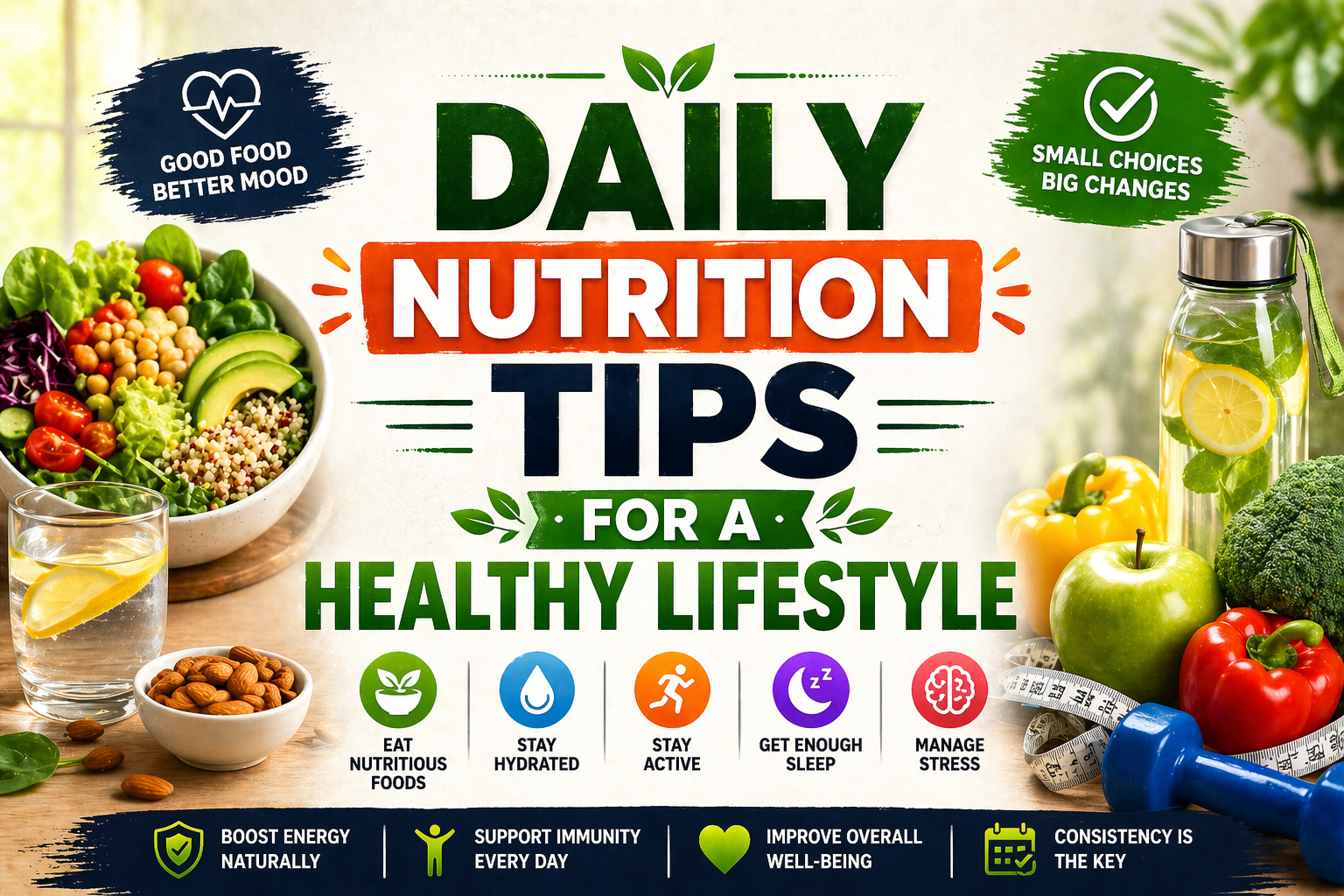
Role of Lifestyle in Treatments
Lifestyle plays a major role in recovery and disease prevention.
Healthy Lifestyle Habits:
- Eating a balanced diet
- Exercising regularly
- Managing stress
- Getting enough sleep
- Avoiding smoking and alcohol
In many cases, lifestyle changes can improve treatment effectiveness.
Importance of Early Treatment
Early diagnosis and treatment are essential for successful recovery.
Benefits of Early Treatment:
- Faster healing
- Lower risk of complications
- Reduced healthcare costs
- Better long-term outcomes
Ignoring symptoms can make conditions more difficult to treat later.
Risks and Side Effects of Treatments
Although treatments are beneficial, some may have risks or side effects.
Common Risks:
- Allergic reactions
- Medication side effects
- Surgical complications
Always consult healthcare professionals before starting any treatment.
How Technology Has Improved Treatments
Technology has transformed the healthcare industry.
Modern Innovations:
- Telemedicine
- Robotic surgery
- AI-based diagnosis
- Advanced imaging systems
These advancements improve accuracy, speed, and patient care.
Personalized Treatments
Modern medicine is moving toward personalized healthcare.
Personalized Treatments Are Based On:
- Genetics
- Lifestyle
- Medical history
Benefits:
- More effective results
- Fewer side effects
- Better patient experience
Future of Medical Treatments
Healthcare continues to evolve rapidly.
Emerging Trends:
- Gene therapy
- Regenerative medicine
- Personalized vaccines
- Wearable health technology
These innovations are expected to revolutionize healthcare in the future.
Tips for Choosing the Right Treatment
Selecting the right treatment requires careful consideration.
Important Factors:
- Severity of the condition
- Doctor’s recommendations
- Treatment effectiveness
- Cost and accessibility
- Potential risks
Always seek professional advice before making medical decisions.
Common Mistakes to Avoid
1. Self-Medication
Taking medicines without medical advice can be dangerous.
2. Ignoring Symptoms
Delaying treatment may worsen conditions.
3. Not Following Treatment Plans
Skipping medication or appointments reduces effectiveness.
4. Relying Only on Internet Advice
Always consult qualified healthcare professionals.
Final Thoughts
Treatments are an essential part of maintaining and improving health. Whether it’s medication, surgery, therapy, or preventive care, the right treatment can significantly improve quality of life.
The key to successful treatment is early action, proper medical guidance, and consistency. By understanding different treatment options and making informed decisions, you can take control of your health and well-being.
Remember, your health is your greatest asset. Prioritize it by seeking proper care, maintaining healthy habits, and staying informed about modern healthcare solutions.