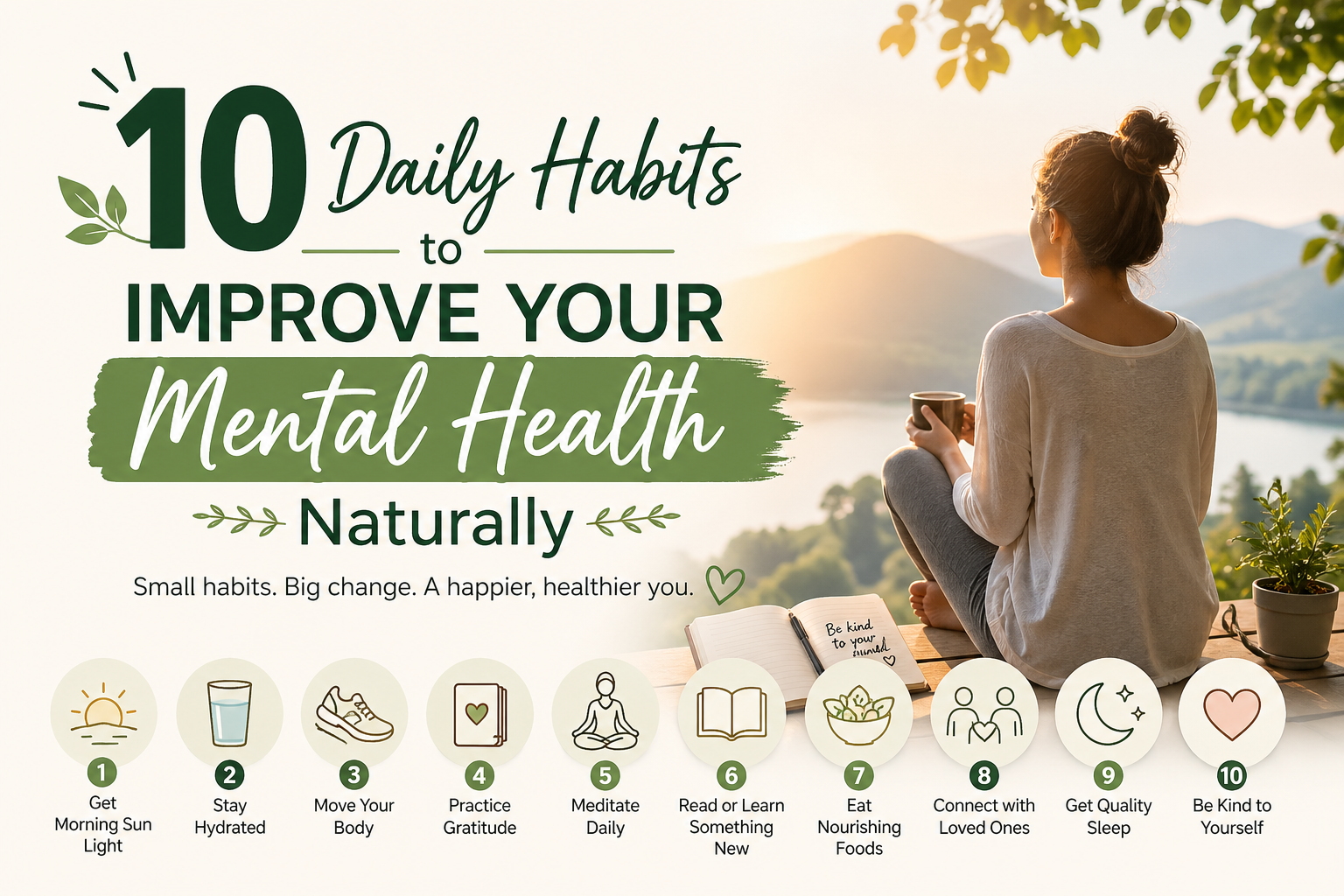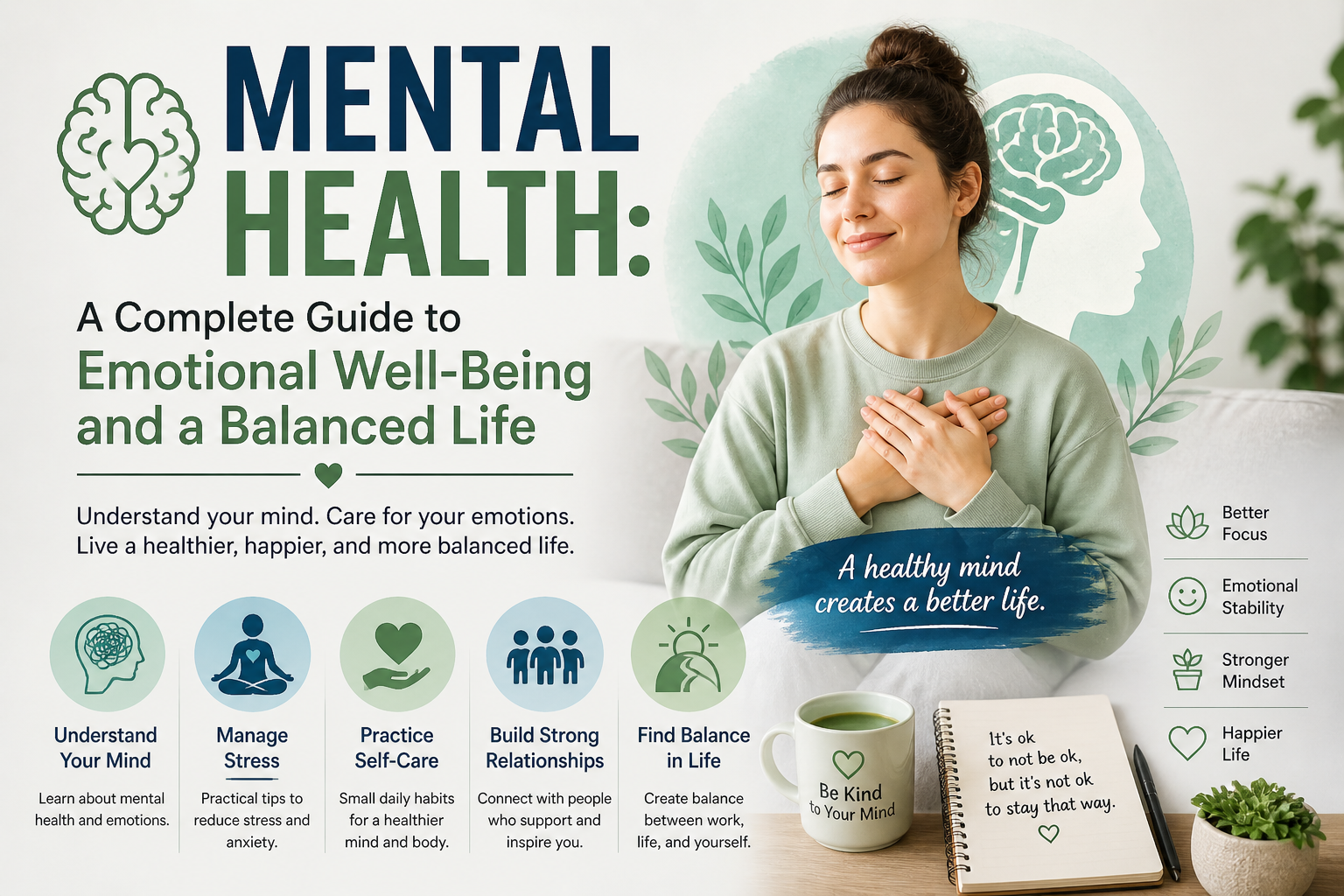
Mental health is an essential part of overall well-being, yet it is often overlooked. In today’s fast-paced world, people face increasing levels of stress, anxiety, and emotional pressure. From work responsibilities to personal challenges, maintaining good mental health has become more important than ever.
Mental health is not just about the absence of mental illness—it’s about how we think, feel, and behave in our daily lives. It affects how we handle stress, relate to others, and make decisions.
In this comprehensive guide, you will learn what mental health is, why it matters, and practical ways to improve it.
What Is Mental Health?
Mental health refers to your emotional, psychological, and social well-being. It influences how you:
- Think and process information
- Feel and manage emotions
- Act and behave in different situations
- Interact with others
Good mental health allows you to cope with stress, work productively, and contribute to your community.
Why Mental Health Is Important
Mental health plays a major role in every aspect of life.
Key Benefits of Good Mental Health:
- Better decision-making
- Improved relationships
- Increased productivity
- Stronger coping skills
- Higher overall happiness
Ignoring mental health can lead to serious issues that affect both mind and body.
Common Mental Health Issues
Understanding common mental health conditions can help you recognize early signs.
1. Anxiety Disorders
Characterized by excessive worry, fear, and nervousness.
2. Depression
A condition that causes persistent sadness, loss of interest, and low energy.
3. Stress
A natural response to pressure, but chronic stress can be harmful.
4. Burnout
Emotional exhaustion caused by prolonged stress, especially at work.
5. Mood Disorders
Conditions that affect emotional stability and mood patterns.
Causes of Mental Health Problems
Mental health issues can arise from various factors:
- Biological factors (genetics, brain chemistry)
- Life experiences (trauma, abuse, loss)
- Lifestyle habits (poor diet, lack of sleep)
- Environmental stress (work pressure, financial issues)
Understanding these causes helps in prevention and management.
Signs You Should Not Ignore
Recognizing early symptoms is crucial.
Warning Signs:
- Persistent sadness or low mood
- Loss of interest in activities
- Difficulty concentrating
- Changes in sleep patterns
- Irritability or mood swings
- Feeling overwhelmed or hopeless
If these symptoms persist, it’s important to seek help.
How to Improve Mental Health
Improving mental health requires consistent effort and lifestyle changes.
1. Practice Mindfulness and Meditation
Mindfulness helps you stay present and reduces stress.
Benefits:
- Improves focus
- Reduces anxiety
- Enhances emotional control
Even a few minutes daily can make a big difference.
2. Stay Physically Active
Exercise is not just for the body—it’s also beneficial for the mind.
Benefits:
- Releases feel-good hormones (endorphins)
- Reduces stress
- Improves mood
Activities like walking, yoga, or stretching can help.
3. Maintain a Healthy Routine
A structured daily routine helps create stability.
Tips:
- Wake up and sleep at consistent times
- Plan your day
- Balance work and relaxation
4. Get Enough Sleep
Sleep is essential for mental recovery.
Tips:
- Aim for 7–9 hours of sleep
- Avoid screens before bedtime
- Create a relaxing sleep environment
5. Build Strong Relationships
Social connections are vital for mental well-being.
Ways to Improve:
- Spend time with loved ones
- Communicate openly
- Seek support when needed
6. Manage Stress Effectively
Stress is unavoidable, but it can be managed.
Techniques:
- Deep breathing
- Journaling
- Taking breaks
- Spending time in nature
7. Limit Negative Influences
Reduce exposure to negativity.
Examples:
- Limit social media use
- Avoid toxic environments
- Stay away from harmful habits
8. Practice Self-Care
Self-care helps you recharge mentally and emotionally.
Ideas:
- Read a book
- Listen to music
- Take a relaxing break
- Do something you enjoy
When to Seek Professional Help
Sometimes, self-help is not enough. Professional support is important when:
- Symptoms persist for weeks
- Daily functioning is affected
- You feel overwhelmed
- You have thoughts of self-harm
Types of Professional Help:
- Psychologists
- Psychiatrists
- Counselors
Seeking help is a sign of strength, not weakness.
Mental Health and Lifestyle
Your daily habits play a major role in your mental health.
Healthy Lifestyle Tips:
- Eat a balanced diet
- Stay hydrated
- Exercise regularly
- Avoid alcohol and drugs
These habits support both physical and mental well-being.
Breaking the Stigma Around Mental Health
One of the biggest challenges is the stigma associated with mental health.
Why It’s Important to Break It:
- Encourages people to seek help
- Promotes awareness
- Reduces fear and misunderstanding
Talking openly about mental health is the first step toward change.
Benefits of Good Mental Health
When your mental health is strong, you experience:
- Better emotional control
- Improved relationships
- Higher confidence
- Increased productivity
- Greater life satisfaction
Final Thoughts
Mental health is just as important as physical health. It affects every part of your life—from how you think and feel to how you interact with others.
Taking care of your mental health doesn’t require drastic changes. Small, consistent steps like exercising, practicing mindfulness, and maintaining healthy relationships can make a big difference.
Remember, it’s okay to ask for help and prioritize your well-being. A healthy mind leads to a healthier, happier life.
Start today because your mental health matters.