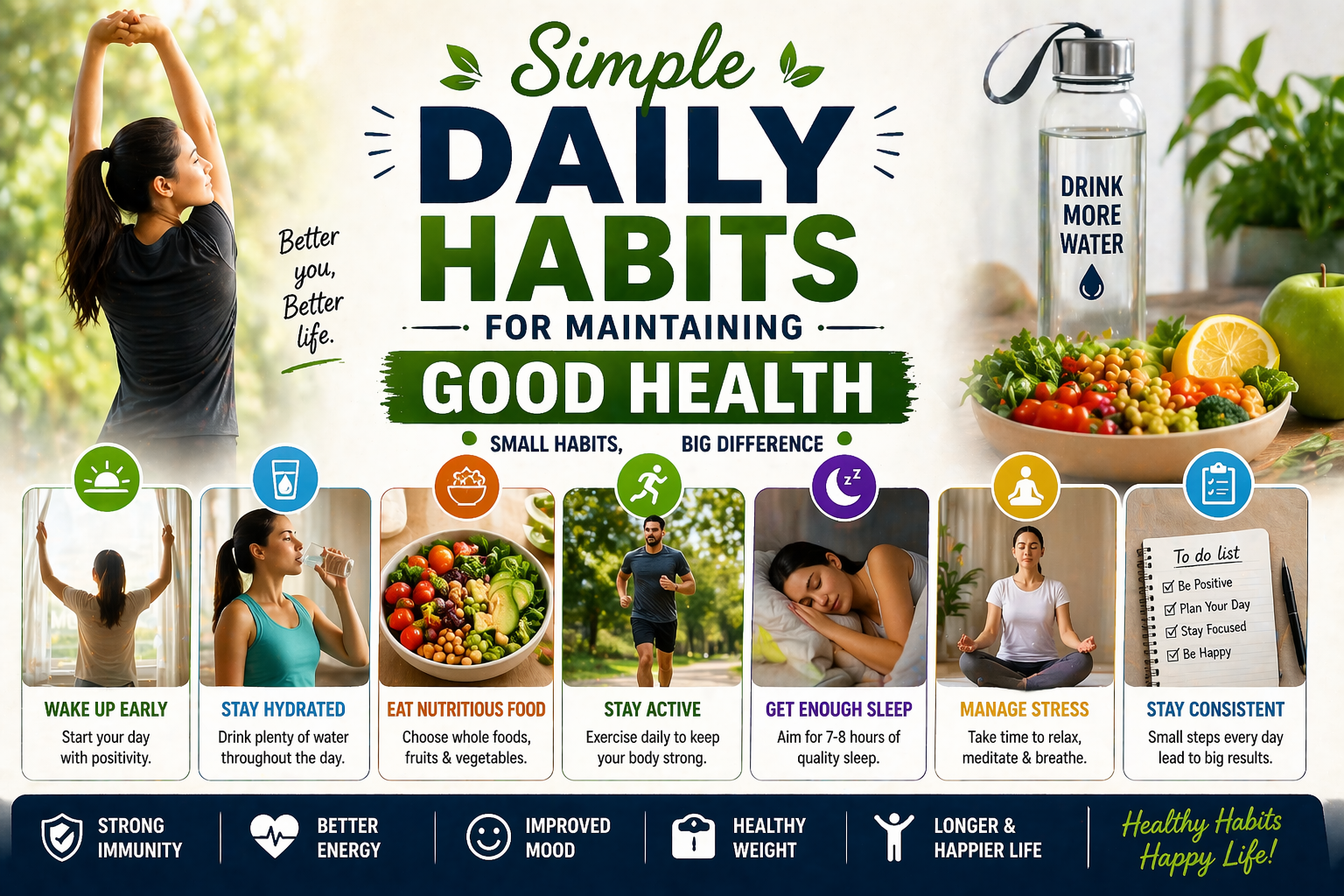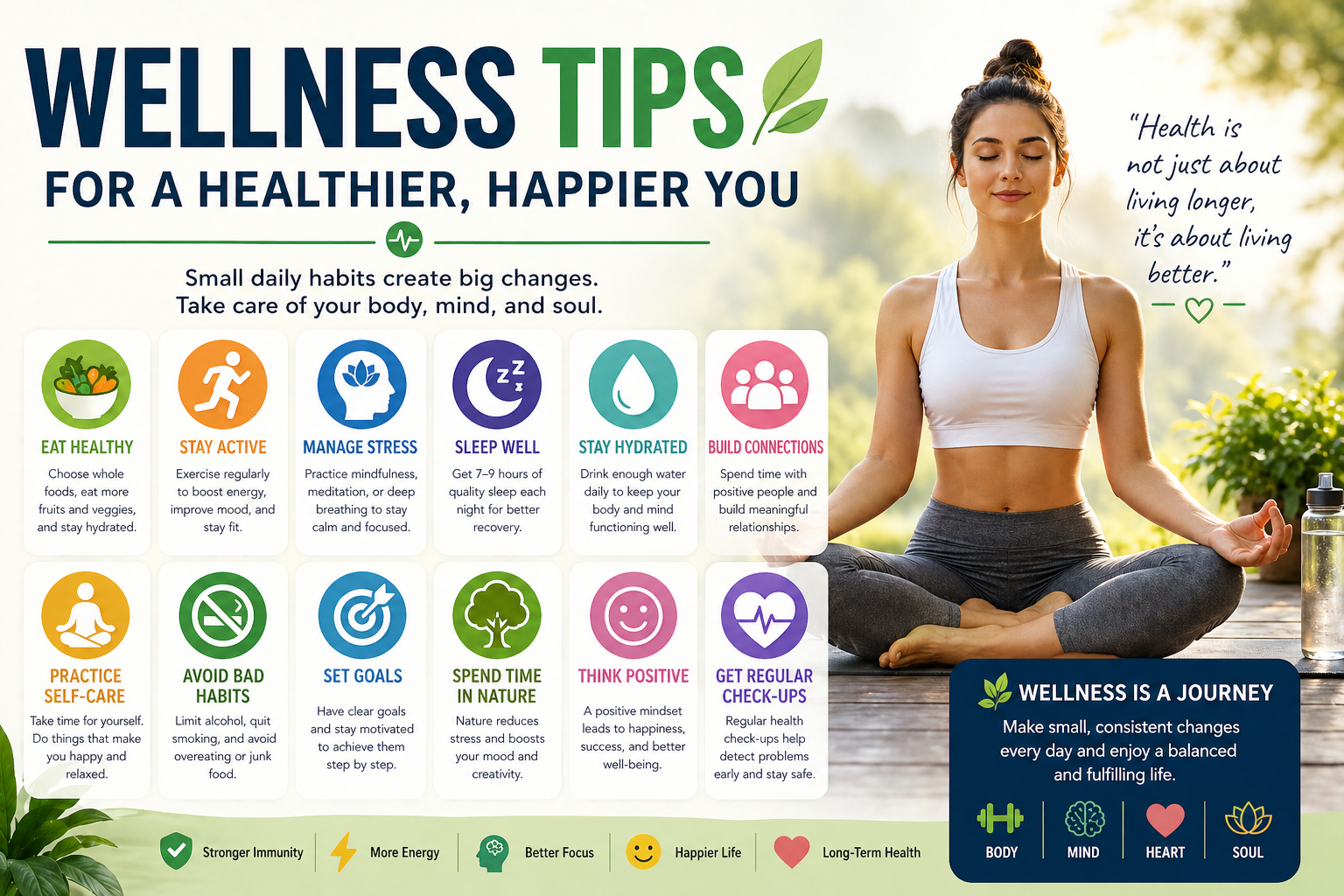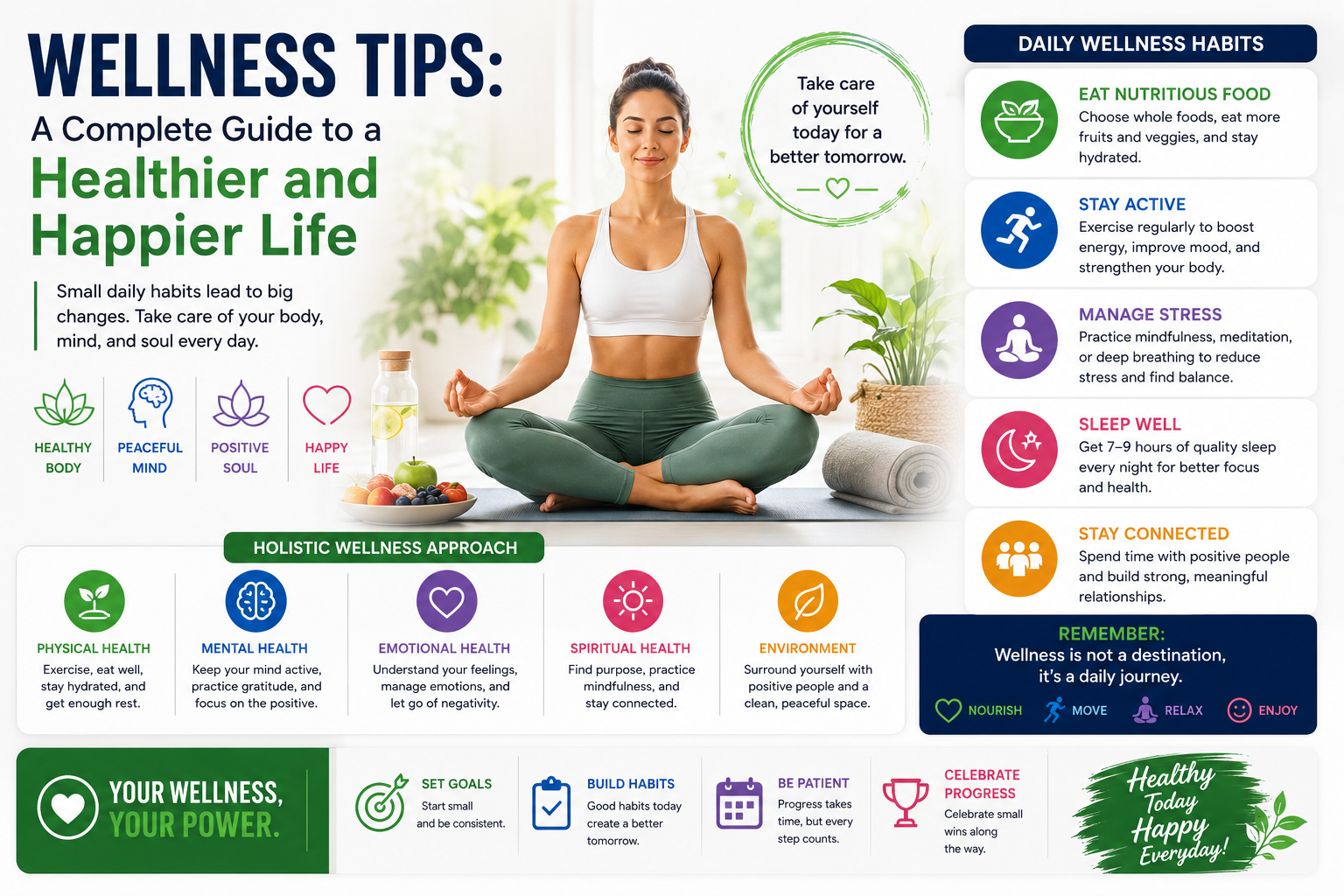
In today’s fast-moving world, maintaining a healthy lifestyle has become more important than ever. Busy schedules, unhealthy eating habits, lack of exercise, stress, and excessive screen time can negatively affect both physical and mental health. This is why wellness is no longer just a trend—it’s a necessity.
Wellness is about achieving balance in every area of life, including physical health, mental well-being, emotional stability, and social relationships. True wellness helps you feel energetic, confident, productive, and happier in everyday life.
This comprehensive guide covers practical wellness tips that can help improve your lifestyle naturally and support long-term health and happiness.
What Is Wellness?
Wellness is a state of overall well-being where the body and mind function in harmony. It is not simply the absence of illness but the active process of making healthy choices every day.
Wellness includes several important dimensions:
- Physical wellness
- Mental wellness
- Emotional wellness
- Social wellness
- Spiritual wellness
When these areas are balanced, people experience better quality of life and improved overall health.
Why Wellness Is Important
Wellness affects every part of your daily life.
Benefits of Wellness:
- Increased energy levels
- Better mental clarity
- Reduced stress and anxiety
- Stronger immune system
- Improved sleep quality
- Greater emotional balance
- Better productivity and focus
Good wellness habits help prevent many chronic health problems and improve long-term happiness.
1. Eat a Healthy and Balanced Diet
Nutrition is one of the foundations of wellness. The food you eat affects your body, energy, and mental performance.
Healthy Eating Tips:
- Eat more fruits and vegetables
- Choose whole grains over processed foods
- Include protein-rich foods in meals
- Reduce sugar and unhealthy fats
- Avoid excessive junk food
A balanced diet supports immunity, digestion, and brain function.
2. Stay Physically Active
Regular exercise is essential for physical and mental wellness.
Benefits of Exercise:
- Improves heart health
- Builds strength and stamina
- Helps maintain healthy weight
- Reduces stress and anxiety
- Boosts confidence and mood
Easy Ways to Stay Active:
- Walking daily
- Home workouts
- Yoga or stretching
- Cycling or jogging
Even 30 minutes of movement each day can make a significant difference.
3. Prioritize Mental Health
Mental wellness is just as important as physical health. Stress and emotional pressure can negatively impact your body and lifestyle.
Tips to Improve Mental Health:
- Practice mindfulness and meditation
- Limit negative thoughts
- Take regular breaks from work
- Talk openly with trusted people
- Avoid overthinking
Taking care of your mind improves emotional balance and overall happiness.
4. Get Quality Sleep
Sleep is essential for recovery, focus, and overall wellness.
Benefits of Good Sleep:
- Improves concentration and memory
- Supports immune function
- Enhances mood and emotional stability
- Helps physical recovery
Tips for Better Sleep:
- Maintain a regular sleep schedule
- Avoid screens before bedtime
- Create a calm sleeping environment
- Reduce caffeine intake at night
Aim for 7–9 hours of quality sleep every night.
5. Stay Hydrated
Water is vital for every function in the body.
Benefits of Hydration:
- Boosts energy levels
- Improves skin health
- Supports digestion
- Regulates body temperature
Drink enough water throughout the day to stay healthy and active.
6. Manage Stress Effectively
Stress is a natural part of life, but chronic stress can damage both physical and mental health.
Stress Management Tips:
- Practice deep breathing
- Spend time in nature
- Listen to relaxing music
- Write in a journal
- Practice gratitude daily
Managing stress improves emotional resilience and mental clarity.
7. Build Healthy Relationships
Positive social connections are important for emotional wellness.
Benefits of Healthy Relationships:
- Emotional support
- Reduced loneliness
- Better mental health
- Increased happiness
Spend time with supportive people and avoid toxic relationships whenever possible.
8. Practice Self-Care
Self-care is not selfish—it’s essential for maintaining balance and avoiding burnout.
Self-Care Ideas:
- Read books
- Enjoy hobbies
- Take relaxing breaks
- Practice meditation
- Spend time doing things you love
Self-care helps recharge your mind and body.
9. Avoid Harmful Habits
Certain habits negatively affect wellness and long-term health.
Habits to Avoid:
- Smoking
- Excessive alcohol consumption
- Drug use
- Overeating
- Lack of exercise
Replacing unhealthy habits with positive routines improves overall health.
10. Spend Time Outdoors
Nature has a powerful effect on emotional and physical well-being.
Benefits of Outdoor Activities:
- Reduces stress
- Improves mood
- Boosts energy
- Enhances mental clarity
Simple activities like walking in a park can improve wellness significantly.
11. Maintain a Positive Mindset
Your mindset influences your emotional health and daily experiences.
Ways to Stay Positive:
- Practice gratitude
- Focus on solutions
- Avoid negative self-talk
- Celebrate small achievements
Positive thinking improves confidence and emotional strength.
12. Create a Healthy Daily Routine
A consistent routine helps maintain balance and productivity.
Healthy Routine Tips:
- Wake up early
- Exercise regularly
- Eat meals on time
- Take breaks during work
- Sleep at a consistent time
Small daily habits create long-term wellness improvements.
Wellness and Work-Life Balance
Modern lifestyles often create imbalance between work and personal life.
Tips for Better Balance:
- Avoid overworking
- Spend time with loved ones
- Set boundaries between work and rest
- Make time for relaxation
Maintaining balance prevents stress and burnout.
Long-Term Benefits of Wellness
Consistent wellness habits provide lifelong benefits.
Long-Term Advantages:
- Better physical health
- Improved emotional stability
- Reduced disease risk
- Increased life satisfaction
- Greater confidence and productivity
Wellness is an investment in your future health and happiness.
Common Wellness Mistakes to Avoid
1. Ignoring Mental Health
Mental well-being should never be neglected.
2. Following Extreme Diets
Unhealthy diets can damage your health.
3. Lack of Consistency
Small daily habits matter more than short-term efforts.
4. Overworking Without Rest
Rest and recovery are essential for wellness.
Tips to Stay Motivated on Your Wellness Journey
Set Realistic Goals
Start small and build gradually.
Track Your Progress
Celebrate improvements and achievements.
Stay Consistent
Focus on long-term habits instead of quick fixes.
Be Patient
Wellness is a lifelong journey, not an overnight result.
Final Thoughts
Wellness is about creating balance in your physical, mental, and emotional life. It’s not about perfection—it’s about making healthier choices consistently.
Small daily improvements such as eating nutritious foods, exercising regularly, sleeping well, and managing stress can lead to major positive changes over time.
Remember, wellness is a journey that requires patience, consistency, and self-care. Every healthy step you take today helps create a stronger, happier, and healthier future.
Take care of your mind and body, because true wellness is the foundation of a successful and fulfilling life.