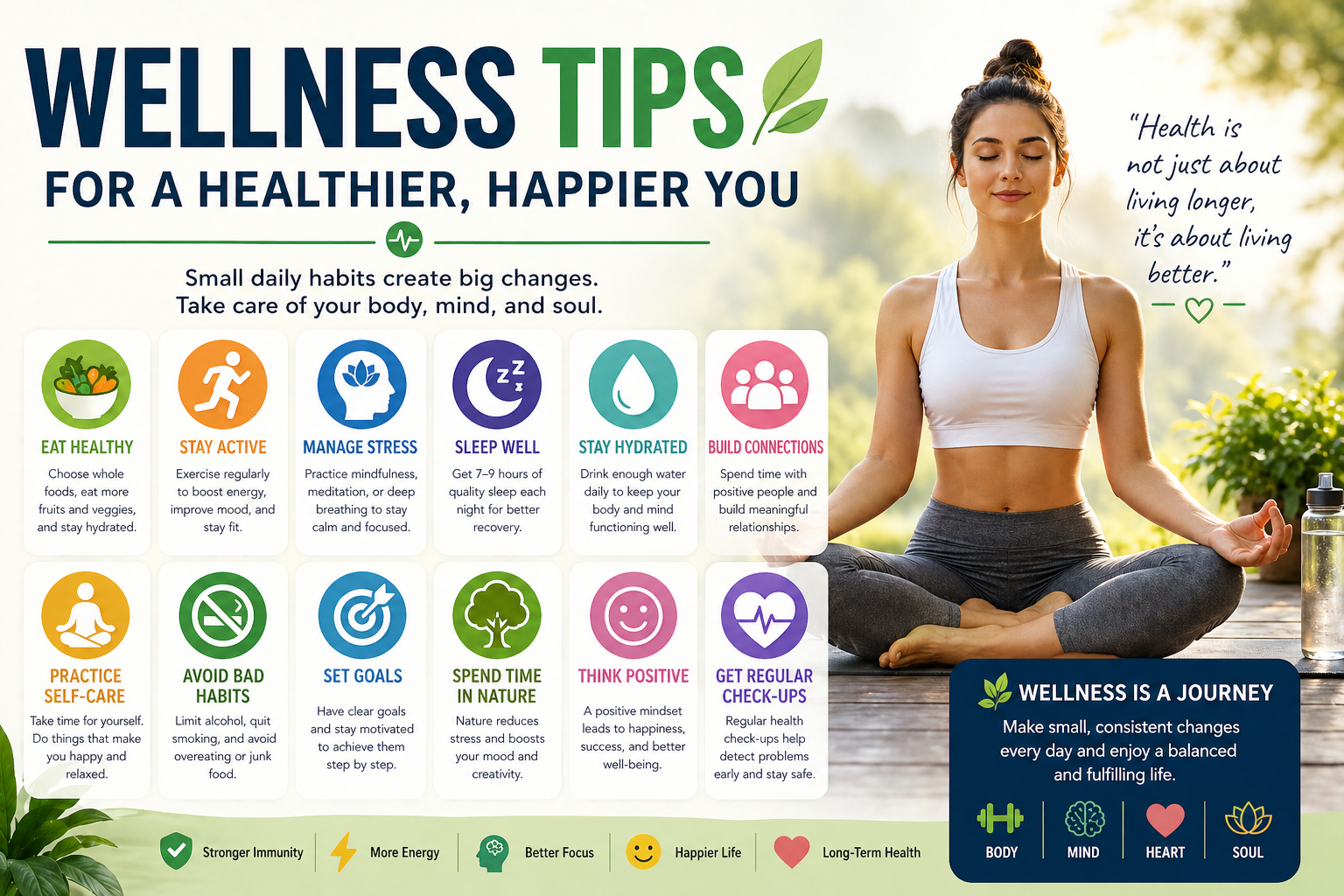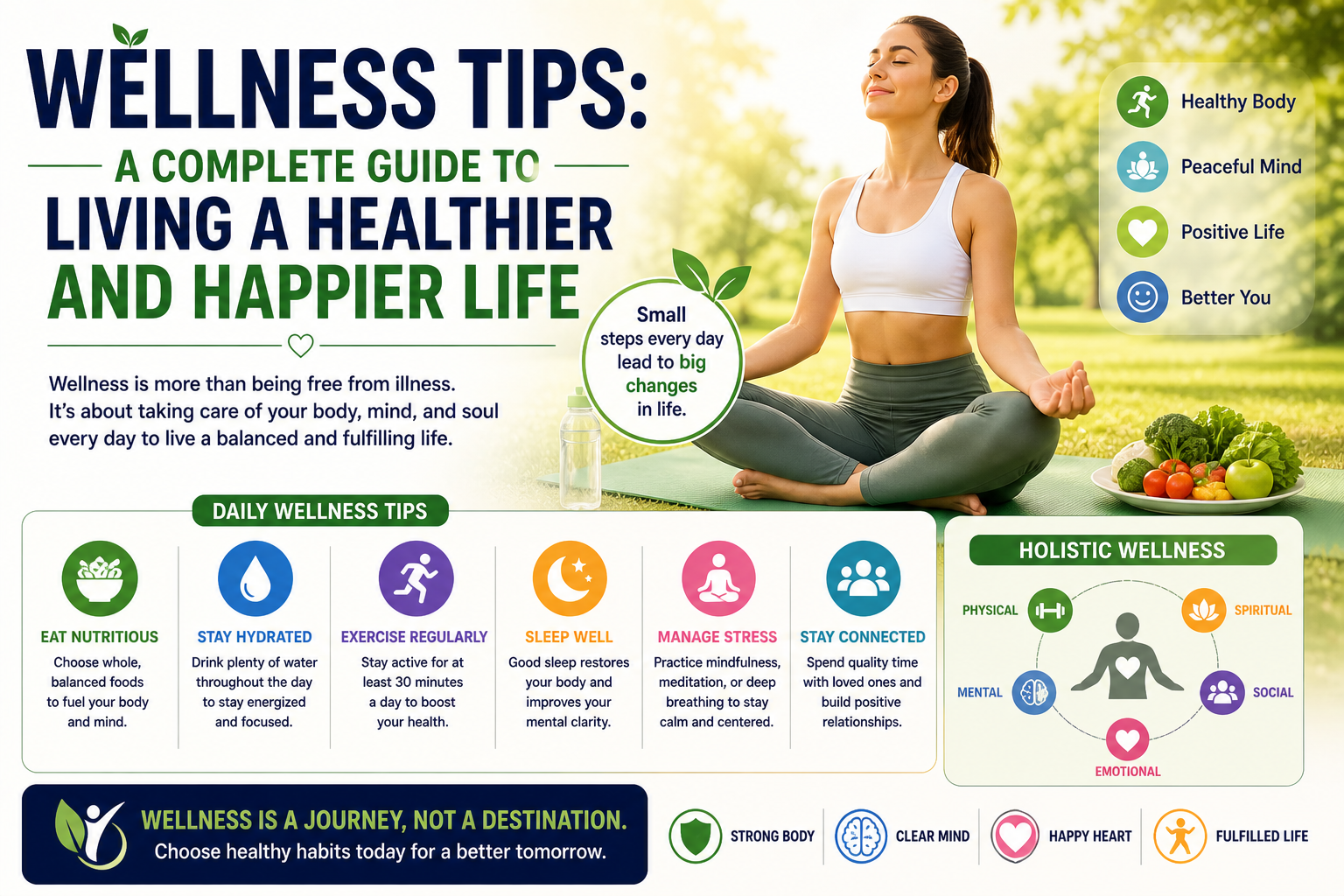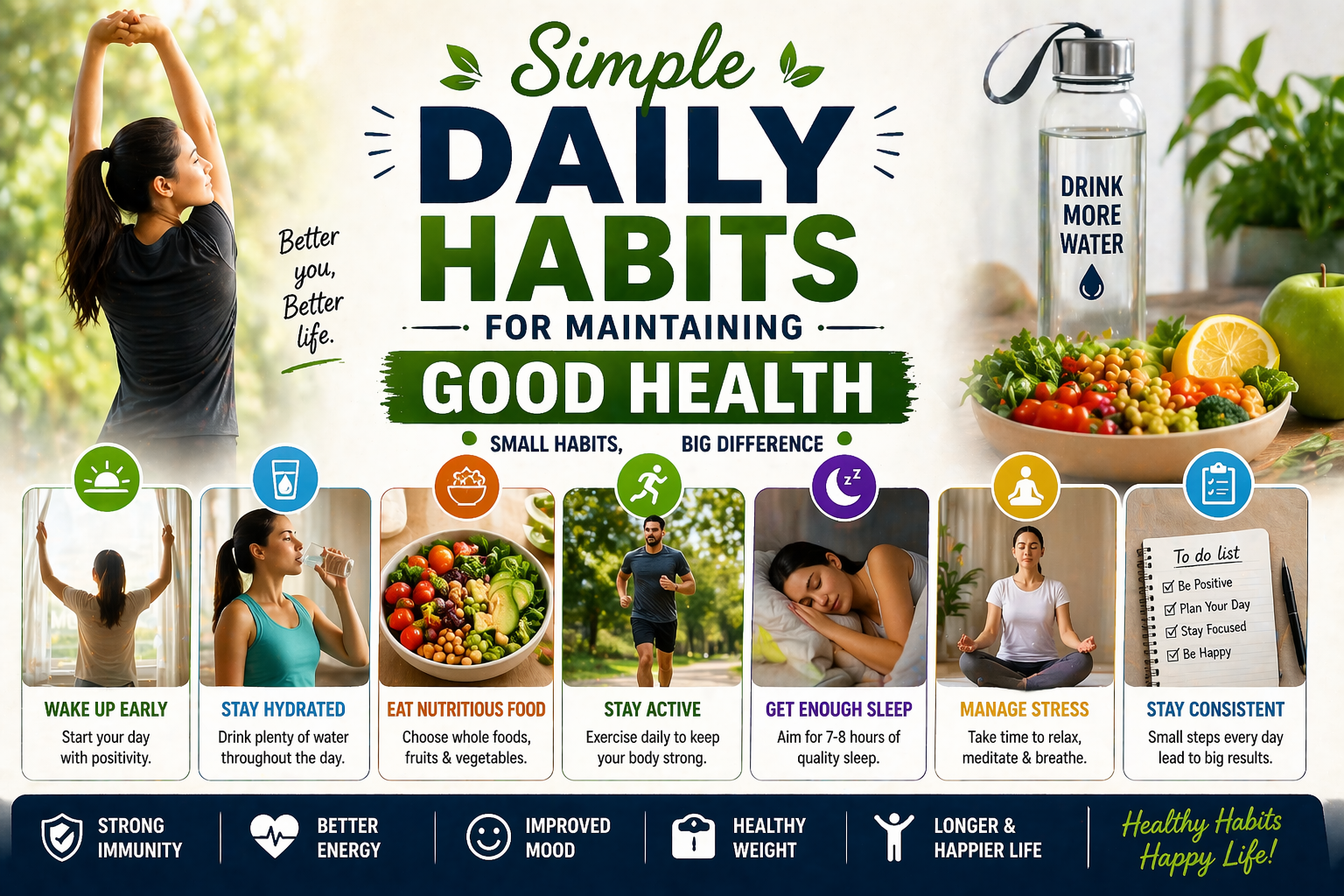
We live in an era obsessed with dramatic health transformations 30-day challenges, extreme detoxes, radical diet overhauls. Social media is flooded with before-and-after stories that suggest good health requires extraordinary effort and complete lifestyle reinvention.
But the science tells a very different story.
The people who maintain the best long-term health are rarely the ones who do something extraordinary occasionally. They are the ones who do something ordinary consistently. Small, simple habits practiced daily compound into remarkable health outcomes over months and years.
You don’t need to overhaul your life this week. You need to build a small collection of daily habits that become as automatic as brushing your teeth effortless, consistent, and quietly powerful.
This guide gives you exactly that: simple, science-backed daily habits that anyone can start today, regardless of age, fitness level, or schedule.
Why Daily Habits Matter More Than Occasional Effort
Before diving into the habits themselves, it’s worth understanding why daily consistency beats occasional intensity every single time.
Your body responds to patterns, not events. A single intense workout does not build fitness. A single healthy meal does not build health. But 20 minutes of movement every day for a year builds a fundamentally different body and metabolism than even the best weekend warrior routine.
This is the compound effect in action small positive inputs, repeated consistently, produce results that feel disproportionately large. The reverse is also true: small daily neglects compound into serious health problems over decades.
The habits below are deliberately simple. Simple enough to do every day. And that’s exactly the point.
Habit #1: Wake Up at the Same Time Every Day
Your body runs on a circadian rhythm an internal 24-hour biological clock that regulates sleep, hormone release, metabolism, digestion, and immune function. Disrupting this clock through irregular sleep and wake times impairs virtually every system in your body.
Waking up at the same time every day, including weekends, is one of the single most impactful habits you can build for overall health.
What a consistent wake time does:
- Anchors your circadian rhythm, improving sleep quality automatically
- Regulates cortisol your body’s natural morning energizer so you wake feeling alert rather than groggy
- Improves mood stability throughout the day
- Supports healthy metabolism and appetite regulation
You don’t need to wake at 5am. You need to wake at the same time whatever works for your life. Consistency is everything.
💡 Start Here: Set one consistent wake time for the next 14 days without exception. This single habit will improve your sleep, energy, and mood noticeably within two weeks.
Habit #2: Drink Water Before Anything Else
Your body loses water overnight through breathing and sweating. You wake up in a mild state of dehydration every single morning before you’ve done anything at all.
The first thing most people do is reach for tea or coffee. Both are mild diuretics that increase fluid loss further. The better habit: drink a full glass of water first before anything else.
Benefits of morning hydration:
- Immediately rehydrates cells after overnight fluid loss
- Kickstarts digestion and metabolism
- Improves mental clarity and alertness even mild dehydration impairs cognitive function
- Reduces morning hunger confusion (thirst is frequently misread as hunger)
- Supports kidney function and toxin elimination
Keep a full glass of water on your bedside table the night before. Remove the friction entirely the glass is already there when you wake up.
Habit #3: Move Your Body for at Least 20–30 Minutes Daily
Exercise does not need to be intense, long, or gym-based to be profoundly beneficial. The research is clear: any movement is better than no movement, and consistency matters infinitely more than intensity.
30 minutes of moderate daily movement produces measurable improvements in:
- Cardiovascular health and blood pressure
- Blood sugar regulation and insulin sensitivity
- Mental health reducing anxiety and depression as effectively as medication in some studies
- Immune function
- Sleep quality
- Longevity regular moderate exercise adds years to life expectancy
Simple daily movement options:
- A brisk 30-minute walk the most underrated exercise on earth
- Cycling, swimming, or yoga
- Home bodyweight exercises squats, push-ups, lunges
- Dancing, gardening, active housework it all counts
If you’re looking to take your physical performance further, our guide on Top 5 Supplements to Boost Strength Naturally shows how smart supplementation can amplify the results of consistent daily movement.
Habit #4: Eat a Nutritious Breakfast Within an Hour of Waking
What you eat in the morning sets your energy, hunger, and food choices for the entire day. Skipping breakfast or eating refined carbohydrates alone leads to blood sugar spikes and crashes that drive poor food decisions for hours afterward.
A nutritious morning meal should contain:
- Protein eggs, yogurt, lentils, cottage cheese
- Complex carbohydrates oats, whole wheat, fruit
- Healthy fat nuts, seeds, avocado
This combination stabilizes blood sugar, fuels your brain, and keeps hunger controlled until your next meal.
For a complete framework of daily eating habits that support long-term health, our guide on Daily Nutrition Tips for a Healthy Lifestyle is essential reading it covers everything from meal structure to hydration to reading food labels effectively.
Habit #5: Spend Time Outside Every Day
Modern life has moved almost entirely indoors and this is having measurable consequences for health. Daily outdoor time is not a luxury. It is a biological necessity.
What outdoor time provides:
Sunlight and Vitamin D: Your skin synthesizes Vitamin D when exposed to sunlight and Vitamin D deficiency is one of the most widespread nutritional deficiencies globally. Vitamin D supports immune function, bone density, mood regulation, and cardiovascular health. Just 15–20 minutes of direct sunlight daily on exposed skin is enough for most people.
Mental health reset Research consistently shows that time in natural environments reduces cortisol, lowers blood pressure, reduces rumination, and improves mood. Even a 10-minute walk in a park produces measurable stress reduction.
Circadian rhythm reinforcement Morning sunlight exposure is the most powerful signal your brain receives to anchor your circadian clock improving sleep quality at night.
💡 Practical Tip: Combine your daily walk (Habit #3) with your outdoor time. One habit, two powerful benefits, 30 minutes.
Habit #6: Prioritize 7–9 Hours of Quality Sleep
Sleep is not a passive state it is your body’s most active period of repair, consolidation, and regeneration. During deep sleep your body:
- Repairs and rebuilds muscle tissue
- Consolidates memories and learning
- Releases growth hormone
- Clears metabolic waste products from the brain (including proteins linked to Alzheimer’s disease)
- Resets immune function
Chronic sleep deprivation even a mild, sustained deficit is associated with increased risk of obesity, type 2 diabetes, cardiovascular disease, depression, and early mortality.
Daily habits that improve sleep quality:
- Consistent sleep and wake times (see Habit #1)
- No screens 60 minutes before bed blue light suppresses melatonin production
- Keep your bedroom cool (18–20°C is optimal), dark, and quiet.
- Avoid caffeine after 2 pm
- Avoid large meals within 2 hours of bedtime.
- A consistent wind-down routine reading, light stretching, or breathing exercises signal your brain that sleep is coming
Habit #7: Take Your Medications and Supplements Correctly
If you take any regular medications or supplements, consistency and correct usage are non-negotiable aspects of daily health maintenance.
Many people take medications irregularly skipping doses, changing timing, or combining products without understanding interactions. This significantly reduces effectiveness and can create risks.
Daily medication habits:
- Take medications at the same time every day link them to an existing habit (morning water, breakfast)
- Never self-adjust prescription doses without consulting your doctor.
- Understand what each medication or supplement does and why you’re taking it.
- Be aware of common OTC medicine interactions and precautions our detailed guide on Common Over-the-Counter Medicines: Uses and Precautions covers the most important safety information you need to know.
- Store all medicines correctly away from heat, humidity, and light
Habit #8: Practice 10 Minutes of Mindfulness or Quiet Time Daily
Chronic stress is one of the most significant and underappreciated threats to physical health. It raises cortisol, suppresses immunity, disrupts sleep, damages cardiovascular health, and accelerates aging at the cellular level.
Ten minutes of daily mindfulness practice meditation, breathing exercises, prayer, or simply quiet reflection activates the parasympathetic nervous system (your body’s rest-and-repair mode), directly counteracting the physiological effects of stress.
Simple daily mindfulness practices:
- Box breathing: Inhale 4 counts, hold 4, exhale 4, hold 4. Repeat for 5–10 minutes.
- Body scan: Lie down and slowly bring awareness to each part of your body from feet to head
- Gratitude journaling: Write 3 specific things you’re grateful for each morning or evening.
- Silent sitting: Simply sit quietly without a phone or screen for 10 minutes far harder and more beneficial than it sounds
You do not need an app, a special cushion, or any training. You need 10 minutes and the intention to be still.
Habit #9: Maintain Social Connections
This habit is often absent from health guides yet the research supporting it is extraordinary.
Loneliness and social isolation are associated with the following:
- 29% increased risk of heart disease
- 32% increased risk of stroke
- Significantly elevated risk of depression, cognitive decline, and premature death
- Immune suppression comparable to smoking 15 cigarettes a day
Strong social connections, on the other hand, are one of the most consistent predictors of longevity and life satisfaction across cultures and demographics.
Daily social connection habits:
- Call or message a friend or family member not just a text, but an actual conversation
- Eat at least one meal per day with another person when possible.
- Participate in community, religious, or group activities regularly
- Be fully present in conversations phone away, eye contact maintained
Connection doesn’t require large social events. It requires genuine, regular, attentive interaction with people who matter to you.
Habit #10: End Each Day With a Brief Health Check-In
The most successful people in any area including health share one trait: self-awareness. They pay attention to what’s working and what isn’t, and they adjust accordingly.
A 2-minute daily health check-in before sleep takes almost no time and builds enormous self-awareness over weeks and months.
Ask yourself:
- How was my energy today high, medium, low?
- Did I move my body?
- Did I drink enough water?
- How was my mood, and what affected it?
- Did I sleep well last night?
- Is there anything my body is telling me that I should pay attention to?
You don’t need to journal extensively. A simple mental scan is enough. Over time, patterns emerge and patterns tell you exactly where to focus your health efforts.
Building Your Daily Habit Stack
The key to making these habits stick is habit stacking linking new habits to existing ones so they become automatic:
| Existing Habit | Stack New Habit Onto It |
|---|---|
| Waking up | Drink water immediately |
| Morning water | 5 minutes of sunlight/outdoor time |
| Getting dressed | Take daily supplements/medications |
| Lunch break | 20-minute walk outside |
| Evening tea | 10 minutes of mindfulness |
| Getting into bed | 2-minute daily health check-in |
Start with just two or three habits from this list. Master them until they are automatic typically 4–8 weeks. Then add the next. Trying to implement all ten simultaneously is the fastest route to implementing none of them.
Conclusion: The Ordinary Path to Extraordinary Health
The habits in this guide are not glamorous. They won’t go viral. Nobody posts about drinking their morning water or going to bed at a consistent time.
But these are exactly the habits that separate people who maintain vibrant health into their sixties, seventies, and eighties from those who don’t. Not genetics. Not luck. Not expensive interventions.
Daily ordinary habits, done consistently, across years.
Start today. Pick one habit. Do it tomorrow. And the day after. The results will come quietly, steadily, and profoundly.
Have questions about building a personalized health routine? Contact the polishteam we’re always happy to help guide you in the right direction.